
Working in freezing temperatures presents serious challenges, from reduced mobility and discomfort to cold stress and fatigue. Whether you work outdoors during winter or inside refrigerated warehouses and cold storage facilities, the right protective clothing is essential for both safety and performance.
EN 342 is the European standard for certified cold weather protective clothing. It ensures garments are tested for insulation, breathability, and protection in low-temperature environments.
In this guide, we explain what EN 342 means, how garments are tested, and what to look for when choosing winter workwear.
What is EN 342?
EN 342:2017 is the European standard for protective clothing designed for cold environments, typically below -5°C.
The standard falls under the European PPE Regulation (EU) 2016/425, meaning garments must undergo independent third-party testing and certification before they can be sold as protective cold weather workwear in Europe.
EN 342 certified garments are commonly used in industries such as:
- Construction
- Logistics and transport
- Cold storage and freezer work
- Rail and utilities
- Agriculture
- Outdoor maintenance and infrastructure
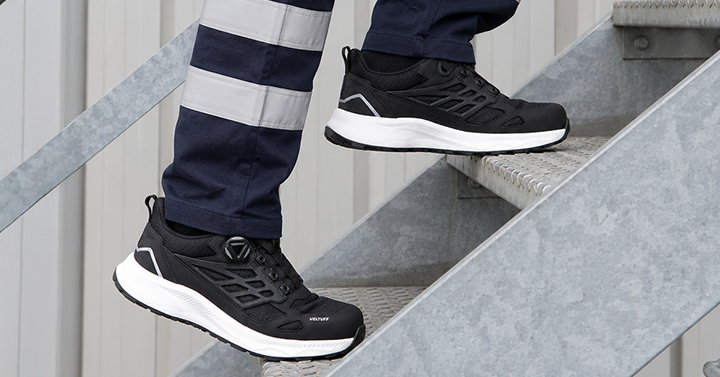
The standard applies specifically to protective clothing garments and does not cover safety footwear, gloves, or accessories such as beanies.

Why EN 342 Certified Workwear Matters
Cold conditions can affect concentration, mobility, and overall job performance. In extreme environments, prolonged exposure can also increase the risk of cold stress and other weather-related health concerns.
EN 342 certified workwear is designed to help workers stay warm, comfortable, and protected while still allowing enough breathability and movement for demanding tasks.
Good cold weather PPE should provide:
- Effective thermal insulation
- Wind resistance
- Moisture management
- Comfort during movement
- Durability for demanding environments
The balance between insulation and breathability is especially important. Workwear that traps too much moisture inside the garment can quickly become uncomfortable and reduce thermal performance over time.
Understanding EN 342 Ratings
EN 342 garments are tested and marked using a certification pictogram alongside their performance ratings.
These ratings help determine how suitable a garment is for different cold working conditions.
Thermal Insulation
Thermal insulation measures how effectively the garment retains heat and protects the wearer from cold temperatures.
The value is measured in m².K/W, with higher numbers indicating stronger insulation performance.
As a general guide:
| Working Environment | Typical Temperature |
|---|---|
| Chill Conditions | Around -5°C |
| Cold Storage | Around -25°C |
| Extreme Freezer Conditions | Around -40°C |
Higher insulation values are typically recommended for colder and lower-activity environments.
Air Permeability
Air permeability measures how breathable the garment is and how much air can pass through the fabric.
This rating is classified from:
- Class 1 = Highest breathability
- Class 3 = Lowest breathability
Proper breathability helps reduce moisture build-up inside the garment, helping workers stay comfortable during physical activity.
Resistance to Water Penetration
Water penetration resistance is an optional EN 342 test that measures waterproof performance.
Not all cold environments require waterproof garments, especially in dry freezer or refrigerated conditions. However, outdoor winter workers may benefit from additional waterproof protection depending on the environment.
To achieve this optional rating, garments must also meet breathability requirements.

How EN 342 Clothing is Tested
The principal EN 342 test uses a heated thermal manikin to assess the total insulation performance of a garment.
During testing:
- The manikin wears standardized base clothing specified in the standard
- The test garment is placed over the base layer
- The manikin is heated and maintained at a controlled temperature above ambient conditions
- Sensors measure the amount of energy required to maintain body temperature across different sections of the body
The results are then used to determine the garment’s insulation performance.
These insulation values can also help estimate recommended wear durations based on:
- environmental temperature
- wearer activity level
- garment insulation performance
Additional EN 342 tests may include:
- Air permeability testing
- Water penetration resistance testing
- Water vapour resistance testing
- Outer fabric strength testing
- Dimensional stability after cleaning
- Flexibility testing in temperatures as low as -50°C
Choosing the Right Cold Weather Workwear
Not all winter workwear performs the same. The right choice depends on the environment, activity level, and exposure conditions.
When selecting EN 342 certified workwear, consider:
Insulation Level
Workers in cold storage or freezer environments may require higher insulation than workers performing physically demanding outdoor tasks.
Breathability
High activity jobs often require more breathable garments to help manage heat and moisture build-up.
Waterproof Protection
Outdoor winter work may require waterproof protection against rain, snow, and wet conditions.
Mobility and Comfort
Bulky clothing can restrict movement and reduce productivity. Lightweight insulated workwear can help maintain comfort during long shifts.
Layering Compatibility
Layering thermal base layers beneath insulated outerwear can improve overall temperature regulation in changing conditions.
Best Practices for Maintaining Winter Workwear
Proper care helps extend the lifespan and performance of cold weather PPE.
To help your workwear last longer:
- Always follow the care label instructions
- Avoid excessive heat when tumble drying
- Wash waterproof garments using appropriate detergents
- Avoid fabric softeners on technical fabrics
- Store garments in dry conditions between uses
Maintaining your workwear properly helps preserve insulation, breathability, and protective performance over time.
FAQs About EN 342
What does EN 342 mean?
EN 342 is the European standard for protective clothing designed for cold environments below -5°C.
Is EN 342 workwear waterproof?
Not always. Waterproof resistance is an optional requirement under the standard.
Does EN 342 apply to gloves and boots?
No. EN 342 applies specifically to protective clothing garments.
What industries use EN 342 clothing?
Industries including construction, logistics, cold storage, agriculture, utilities, and outdoor maintenance commonly use EN 342 certified workwear.
What temperature is EN 342 rated for?
This depends on the garment’s insulation rating, the wearer’s activity level, and environmental conditions.
Stay Protected in Cold Working Conditions
Choosing EN 342 certified workwear helps ensure warmth, comfort, and protection in demanding cold environments.
Whether you work outdoors during winter or inside refrigerated facilities, properly certified cold weather PPE can make a significant difference to safety and productivity.
Explore the full range of VELTUFF® Winter Workwear designed for demanding working conditions.